

What is marine collagen?
Marine collagen, a protein
Marine collagen is a large fibrous molecule that is found in large quantities in the body’s connective tissues. It is the most abundant protein in the animal kingdom, accounting for around 30% of total proteins. Like all proteins, collagen is made up of “building blocks” called amino acids, which are assembled according to the code defined by our DNA. There are approximately 1,050 amino acids per collagen molecule.
Depending on the amino acid composition, there are different types of collagen, the most abundant of which is type I, representing 90% of the collagen in our body and present in many tissues such as cartilage, bones, tendons, skin and blood vessel walls.
Its origin
Marine collagen is extracted from skin, bones and scales, which account for 30% of the by-products of seafood processing.
Available in the form of low molecular weight hydrolysed marine collagen peptides, it has a highly effective action on cell development and tissue regeneration, and excellent biocompatibility and biodegradability.
Its benefits
Type I collagen is the most abundant type of collagen in the human body.
The main known benefits of marine collagen concern the skin, connective tissues and bones.
Type I collagen also helps maintain the suppleness and strength of the skin, ligaments, joints, bones, muscles, tendons, blood vessels, gums, eyes, nails and hair.
In what form?
Marine collagen is available in cosmetics in the form of creams, or in capsules in food supplements.
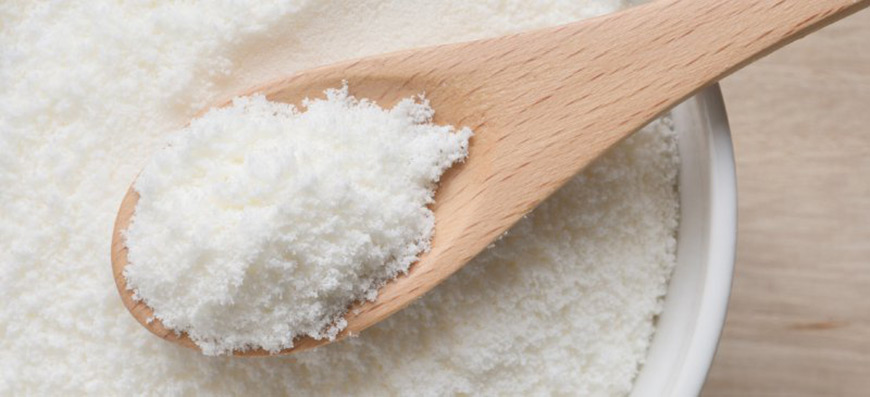
But it also exists in the form of a neutral powdered ingredient of hydrolysed peptides that can be added to preparations, drinks and foods of your choice to enrich them with collagen.
The different types of collagen
In the body, depending on the cells, tissues and protein matrices considered, the combinations of “building blocks” called amino acids can be different, leading to specific structures and functions.
Collagen protein is therefore classified into different types:
- Type I collagen, the most abundant, is found in the skin, tendons, and in large quantities in bone tissue.
- Type II collagen is found in cartilage;
- Type III collagen is found in muscles and vessel walls.
Related article: Marine collagen and hyaluronic acid, anti-ageing dietary supplements