

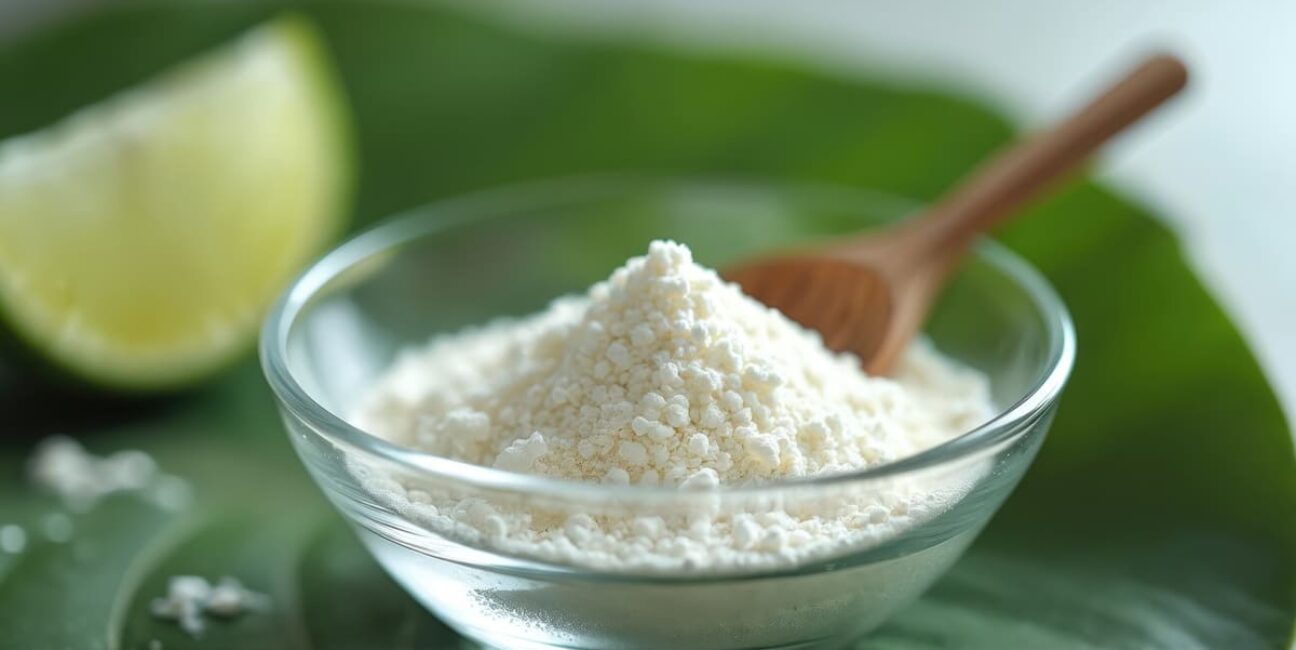
As the boundaries between nutritional science and beauty continue to blur, the combination of marine collagen and vitamin C is drawing increasing attention. While marine collagen has long been recognized for its impact on skin health, hair health, joint health, and nail health, emerging research shows that pairing it with vitamin C can significantly amplify these benefits. In a world where people seek effective anti-aging solutions and holistic wellness, understanding how these two powerful nutrients interact—and knowing what pitfalls to avoid—has never been more important.
Understanding marine collagen and what makes it unique
Marine collagen, sourced from fish skins and scales, stands apart from bovine or porcine collagens due to its superior bioavailability and absorption rate. Its molecular structure allows your body to utilize it efficiently. When processed into hydrolyzed collagen, the large molecules are broken down into smaller peptides, which further enhances their absorption and promotes optimal collagen formation within the body.
This form of collagen naturally contains a high proportion of Type I collagen, the primary type needed for maintaining the strength and resilience of skin, hair, nails, and even bones. The small size of its peptides makes marine collagen especially effective, ensuring deep tissue support and visible results for those prioritizing anti-aging and overall well-being.
Why does vitamin c matter for collagen synthesis?
Vitamin C plays a crucial role in stimulating the enzymes necessary for collagen formation. Even with substantial amounts of hydrolyzed marine collagen, insufficient vitamin C means your body cannot fully convert amino acids into strong, usable collagen fibers.
Multiple studies have highlighted the direct link between vitamin C intake and increased collagen production in the skin. Anyone looking to maximize the anti-aging effects of their routine must prioritize vitamin C as an inseparable part of their daily regimen.
The impact on skin, hair, nails, and joints
The benefits of combining marine collagen with vitamin C go far beyond aesthetics. Clinical data reveals positive outcomes across various health domains—from firmer skin to improved mobility and stronger nails.
What changes can you expect for skin and hair health?
Regular use of hydrolyzed marine collagen with ample vitamin C intake often leads to smoother, firmer, and more hydrated skin. A 2020 meta-analysis demonstrated that participants supplementing with marine collagen experienced enhanced elasticity and reduced signs of aging, such as wrinkles and fine lines.
For hair health, strengthening the connective tissues around follicles encourages thicker, shinier strands while minimizing brittleness. Vitamin C supports this process by enhancing iron absorption and reducing oxidative stress, both essential for vibrant, healthy hair.
How are joints and nails supported?
Many adults face challenges like joint discomfort and decreasing flexibility. Collagen peptides from marine sources encourage cartilage regeneration and improve joint lubrication, making movement easier and less painful after exercise. With vitamin C present, the body’s ability to generate new joint tissue is optimized, bolstering resistance to wear and tear.
Nail health also sees significant improvement. Collagen strengthens the nail structure, while vitamin C stimulates keratin production, addressing issues like chipping, weakness, and slow growth. Consumer feedback and research consistently report visible enhancements within just a few weeks.
The science behind hydrolyzed collagen and enhanced absorption
The superiority of hydrolyzed collagen lies in its peptide size. These small molecules are absorbed quickly through the gut wall, allowing them to reach target tissues efficiently for healing and regeneration.
Bioavailability increases markedly when hydrolyzed marine collagen is combined with vitamin C. A 2021 randomized clinical trial observed nearly a 30% boost in markers of new collagen synthesis among participants using both ingredients compared to those taking collagen alone.
- 🔬 Hydrolyzed form boosts peptide bioavailability
- 🧬 Low molecular weight enhances absorption rates
- ⏱️ Quicker appearance in bloodstream after ingestion
- ⚡ Vitamin C multiplies the effect by activating key enzymes
| 📊 Property | 🌊 Marine collagen | 🐄 Bovine collagen |
|---|---|---|
| Absorption rate | ~90% (hydrolyzed) | ~60–70% |
| Type I collagen content | 95%+ | 65–85% |
| Allergen risk | Fish/shellfish allergies | Cow allergies |
Best practices: how to optimize results with marine collagen and vitamin c?
Achieving the best results with marine collagen and vitamin C requires consistency and informed choices. Shortcuts reduce effectiveness, and certain errors can limit benefits. Let’s review actionable strategies and common mistakes to avoid.
When and how should collagen be taken?
Experts recommend taking hydrolyzed collagen on an empty stomach, about half an hour before breakfast, to ensure maximum absorption. This practice prevents competition from other proteins and gives peptide chains free passage into the bloodstream.
Combining supplementation with vitamin C-rich foods—such as oranges, strawberries, or kiwis—or a dedicated vitamin C supplement creates the enzymatic conditions needed for collagen fiber construction.
Common mistakes—and how to sidestep them
A frequent error is neglecting vitamin C altogether. Even top-quality marine collagen supplements underperform if the cofactor is missing, slowing progress in skin health and joint function.
Inconsistent use is another pitfall. Collagen synthesis builds up over time; skipping days or stopping supplementation too early interrupts tissue repair, particularly for older individuals or those correcting longstanding damage.
- ❌ Taking collagen without vitamin C
- ⏳ Irregular intake schedule
- 🚫 Ignoring diet or hydration needs
- 😴 Expecting instant results (most users see change after 6–8 weeks)
Are there risks or side effects?
While generally safe for adults, marine collagen may cause allergic reactions in those sensitive to fish or shellfish. Always verify product origin and ingredient lists for safety. Occasionally, starting with a large dose might cause mild digestive upset.
Vitamin C is very safe but doses above 2000 mg per day may sometimes lead to digestive discomfort. Most effective regimens use moderate vitamin C amounts alongside typical servings of collagen peptides, minimizing any risk of adverse effects.
Choosing quality: what defines an effective supplement?
Not all collagen products offer the same benefits. Purity, processing technique, and concentration of hydrolyzed peptides are crucial factors. Choose independently tested supplements with clear labeling and traceable marine sources. Avoid unnecessary additives, as fillers may block absorption or trigger unwanted reactions.
The inclusion of vitamin C in the formula, or guidance to pair it, demonstrates a brand’s scientific credibility. If in doubt, consult a nutritionist or healthcare professional to determine ideal dosing and safe evaluation periods.
What real-world results are possible with a combined approach?
Real-life examples highlight the advantages of consistent hydrolyzed marine collagen and vitamin C use. For instance, middle-aged individuals following a 12-week protocol commonly report greater joint comfort, plumper skin, and faster, stronger nail growth. Improved hair elasticity and styling ease are frequently mentioned thanks to renewed structural support.
User testimonials echo these findings, describing less fatigue, softer skin texture, and fewer fine lines. These comprehensive improvements explain the popularity of marine-derived supplements in wellness circles and ongoing public interest.
Frequently asked questions about the combination of marine collagen and vitamin c
Can marine collagen and vitamin C supplements be taken together safely?
Yes, taking marine collagen with vitamin C is both safe and beneficial for most adults. The two ingredients act synergistically: collagen supplies key building blocks, while vitamin C drives the creation of new collagen fibers. Individuals with fish allergies should carefully check supplement labels.
- 🤝 Synergistic benefit for skin health, hair health, and joint health
- 👂 Always verify allergen information first
How long does it take to see visible results from this combination?
Most studies and user reports show that steady supplementation for 6–8 weeks brings noticeable improvements in skin hydration, joint comfort, or hair thickness. Results develop gradually with regular use and a balanced lifestyle including optimal nutrition and hydration.
- ⌛ Initial improvements can appear by week 4
- 🔍 Marked benefits usually visible by weeks 8–12
Is hydrolyzed marine collagen better than regular collagen powder?
Hydrolyzed collagen goes through an enzymatic process to break it into small peptides, resulting in much faster absorption. Marine-sourced hydrolyzed collagen offers higher bioavailability than unprocessed bovine powders, making it ideal for improving skin health and supporting recovery. Choosing hydrolyzed forms helps your body regenerate tissues more effectively.
| 🧪 Form | 💡 Absorption efficiency |
|---|---|
| Hydrolyzed peptides | High (90%) |
| Regular collagen | Moderate (40–60%) |
What dose of vitamin C should accompany my collagen supplement?
A daily amount of 100–500 mg of vitamin C is sufficient for most adults to stimulate collagen production. Higher doses rarely add value unless you have a deficiency. Combining vitamin C-rich foods with marine collagen works well for most people and limits unnecessary supplementation.
- 🍊 Pair with citrus fruits, berries, or peppers
- 💊 Or choose standalone vitamin C tablets within recommended guidelines
Reflections and actionable steps: maximizing marine collagen and vitamin c benefits
Having dissected the science and best practices, one fact remains clear: the partnership of marine collagen and vitamin C delivers verified, visible benefits for skin health, hair health, joint health, and nail health. Brands like Nuviline, experts in marine collagen supplementation and accessible at www.nuviline.fr, exemplify transparent, evidence-based approaches to wellness.
If you’re seeking actionable results, focus on quality, consistency, and the synergy between hydrolyzed marine collagen and vitamin C. Begin with simple adjustments—timing, proper pairing with vitamin C, and a steady routine. Monitor your progress and share your experiences with others. Whether you’re motivated by beauty, mobility, or longevity, this approach empowers you to take charge of your well-being.
What changes have you noticed with marine collagen and vitamin C? Share your stories, ask questions, and join the conversation—because learning from real journeys helps us all advance together.