

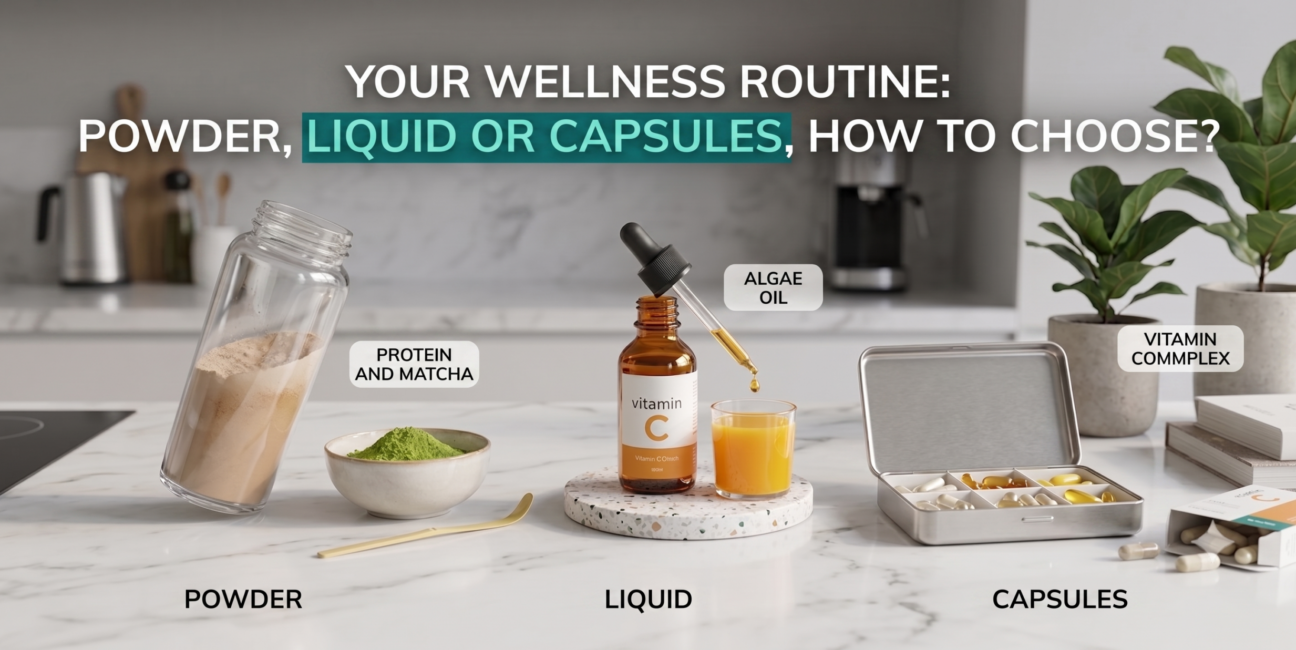
The age-old debate between powder, liquid, and capsule detergents continues to stir opinions in homes and laundromats alike. With each format boasting its strengths—from cleaning effectiveness and convenience to cost per load and sustainability—the decision is not as straightforward as it seems. As new formulations hit the shelves with promises of better stains removal or eco-friendly packaging, the challenge remains: how do you choose what truly fits your needs? In this article, we’ll break down the data, dispel myths, and provide a clear roadmap so you can make an informed choice for every wash.
The powder vs liquid vs pods/capsules comparison
Each detergent format has a faithful following. While powders once reigned supreme, liquids and premeasured capsules (pods) have rapidly gained ground thanks to their ease of use and mess-free appeal. But does popularity equal performance? To answer that, we need to compare how these options perform across dimensions like residue issues, price, premeasured dosage, and environmental impact.
Let’s start with a comparative overview before diving into the details that influence real-world choices.
| 🏷️ Criteria | 🧂 Powder | 💧 Liquid | 🟣 Capsules |
|---|---|---|---|
| 🦠 Cleaning effectiveness | Excellent for soils/stains, especially in hot water | Consistent performance, good for greasy stains | Depends on formulation, reliable for everyday loads |
| 💸 Cost per load | Lowest typically | Slightly more than powders | Often most expensive format |
| 🪜 Convenience/ease of use | Requires measuring/dosing | Easier pouring, potential spills | Premeasured, very simple |
| 💧 Dissolving/residue issues | Potential clumping in cold/hard water | Dissolves well across temperatures | May not dissolve fully in short/cold cycles |
| 🌎 Environmental impact | Minimal packaging, lower transport weight | Bigger plastic bottles | Individual film/plastic packs |
| 👃 Scent/smell options | Limited range, lighter odors | Wide variety | Usually fresh/strong scents |
| 💪 Power/strength for specific washes | Best for whites, heavy stains, hard water | Good for delicates, colors, general use | General use, balanced formulas |
Cleaning effectiveness in different conditions
The primary purpose of any detergent is cleaning effectiveness: removing stains and delivering laundry without residue. However, results depend not only on formula, but also on temperature, fabric type, and water hardness. Let’s explore where each format excels or falls behind.
By understanding each format’s real-world strengths, you’ll know when to trust powder, reach for liquid, or toss in a pod.
How do powders perform when tackling challenging stains?
Packed with oxygen bleach and traditional surfactants, powder detergents outperform others against tough stains—especially in hot water. Mud, grass, and red wine lift off fibers more easily under these circumstances, resulting in brighter whites and deep-cleaned linens. The tradeoff? Powders can leave dusty residue if not dissolved completely, particularly during cold or quick-wash cycles.
In colder or hard water regions, clumping and undissolved granules become more common. Consumer tests show up to 15% of powder complaints relate to visible residue after washing, often due to overdosing or poor storage.
What about liquids and dissolving power across wash types?
Liquid detergents mix easily at any temperature, rarely leaving residue. Their solvent bases are especially effective on oily stains and sweat, making them ideal for sportswear and delicate fabrics. For colored garments, they reduce the risk of fading compared to abrasive powders. However, precision dosing is harder to control, sometimes leading to wasted product or sticky drawer build-up.
Studies from French universities confirm that liquids outperform powders in quick or eco cycles, offering better dissolving rates and minimizing unwanted deposits.
Are capsule detergents truly convenient and effective?
Capsule (pod) detergents eliminate the need for measuring, making laundry simpler and cleaner. Each pod delivers a premeasured dose, but larger or heavily soiled loads may require two—raising the cost per wash. Some users report half-dissolved films in cold or very short cycles, especially if machines are overloaded or older.
Despite occasional dissolving issues, nearly 72% of pod users cite convenience as their top reason for choosing this format. Technology keeps improving, but perfect reliability under all conditions isn’t guaranteed yet.
Costs, convenience, and practical trade-offs
Price and usability drive laundry decisions for many households. While unit costs are easy to compare, true value depends on family size, frequency of washing, and personal priorities. Let’s examine how each format stacks up.
Understanding the balance between budget, flexibility, and daily routine helps you avoid hidden costs and pick what works long term.
How does the cost per load stack up?
Typically, powder detergents offer the lowest cost per wash, sometimes less than half the price of capsules. Liquids are next, with fluctuations depending on concentration and bottle size. Capsules command the highest price, trading thrift for simplicity and zero risk of overdosing or spillage.
Here’s a simplified look at average French prices:
- Powder: €0.12–€0.18 per load
- Liquid: €0.16–€0.25 per load
- Capsule/pod: €0.26–€0.45 per load
Check the unit price and tailor calculations to your household’s weekly loads and drum size for accurate budgeting.
Why does convenience matter so much for today’s consumers?
Modern lifestyles give a premium to convenience. Pods dominate here: they’re tidy, safe from children, and immune to moisture damage. No measuring means no mess, while storage is straightforward.
Liquids allow flexible dosing, useful for large or extra-dirty loads, though users sometimes complain about wasted drips or sticky drawers. Meanwhile, powders remain a favorite among bulk buyers, especially in shared spaces or collective housing, because of their space-saving boxes and unbeatable thrift.
Environmental impact and modern trends
Sustainability now plays a decisive role in detergent choice. Packaging waste, transport emissions, and biodegradability weigh as heavily as cleaning results or fragrance. Here’s how different formats fare in an eco-conscious world.
Reviewing the full lifecycle—from production to disposal—reveals where brands are innovating and where gaps remain.
Is there a clear winner for sustainability?
Powder detergents almost always come in cardboard cartons, minimizing single-use plastics and reducing shipping weights. This dry format cuts carbon emissions, as less water is transported compared to heavy jugs of liquid. Manufacturing has improved too, using fewer fillers and less energy per batch.
On the other hand, liquid detergents rely on large plastic bottles. Even with advances in recycled PET, only about 30% of these containers are properly recycled in France. Caps and pourers often end up in landfill.
How are capsule detergents faring in terms of environmental impact?
While the water-soluble PVA film used in capsules usually breaks down in standard cycles, their outer packaging often involves durable plastics that aren’t always recyclable. Newer compostable wraps are emerging, but incomplete dissolving can still introduce microplastics into water treatment streams, especially if usage instructions are ignored.
For those prioritizing sustainability, powder is generally best. Still, ultra-concentrated and refillable liquid options are closing the gap, and innovation in eco-friendly capsules continues apace.
Scent, power, and wash-specific recommendations
Laundry is a sensory experience: scent and cleaning power both influence satisfaction. The right format can match specific needs, from hypoallergenic requirements to robust stain-fighting strength.
Understanding which option aligns with your preferences ensures consistently fresh, clean, and pleasant-smelling clothes.
Which format wins for best smell and customizable scent?
Liquids lead the pack for scent variety. Dozens of fragrances linger after drying, letting you match laundry aroma to mood or season. Powders have milder, subtler smells—ideal for those sensitive to strong perfumes. Capsules offer refreshing but less customizable scents, typically aiming for broad appeal.
For signature fragrances, choose liquids. For subtle or hypoallergenic washes, reach for powders. Capsules deliver consistent, hassle-free freshness when variety isn’t a top concern.
Does one format prevail for cold, hot, or hard water washes?
Powders shine at high temperatures and in mineral-rich (hard) water, maintaining whitening agents and preventing limescale. Liquids thrive in cold cycles, efficiently cleaning sports gear and colorful synthetics. Capsules strike a middle ground, suiting mixed loads washed at standard temperatures.
- Use liquids for low-temperature, daily washes.
- Choose powders for stubborn stains or bedding at 60°C+.
- Pick capsules for family-sized, lightly soiled loads with regular drum sizes.
Frequently asked questions about detergent formats
Which detergent is best for sensitive skin?
People with allergies or sensitivities often prefer powder detergents due to reduced dyes and gentle fragrances. However, hypoallergenic liquids are now widely available. Regardless of format, thorough rinsing is crucial to prevent irritation.
- Mild powder: Minimal perfume, often dermatologist-tested
- Hypoallergenic liquid: Gentle, suitable for infant clothing
- Capsules: Always check ingredients for allergens
Do capsules work in all washing machine types?
Capsule detergents suit most modern washing machines. Some issues arise in top-loaders with weak agitation or older front-loaders on very short, cold cycles. For best results, place the capsule at the bottom of the drum and consult your washer’s manual for special cases.
| 🟢 Washer Type | ⚡ Compatibility |
|---|---|
| Front-loader | High |
| Top-loader | Medium |
What is the most environmentally friendly option?
Powder detergents stand out for minimal packaging and smaller carbon footprint thanks to lighter transit and easy recycling. Concentrated liquid refills are a promising alternative. Many manufacturers are also developing biodegradable capsule packs, though these are still emerging on the market.
- Cardboard powder boxes: Low waste
- Refillable liquid concentrates: Reduces single-use plastic
- Compostable capsule packs: An innovative solution
Can I mix powder, liquid, and capsules in a single wash?
Mixing formats in one cycle risks reduced cleaning effectiveness and increased residue. Stick to one type per load for optimal results, switching formats only between separate washes as needed.
- Avoid combining different detergents within the same wash.
- Alternate formats between loads if desired.
Final thoughts and actionable strategies
There is no universal answer to the powder vs liquid vs capsule question. Your choice should reflect your cleaning priorities, budget, lifestyle, and values regarding sustainability. If you seek maximum thrift and whitening, powders still reign. For versatility and bold scents, liquids excel. Capsules are the champions of convenience—for a price.
Before your next purchase, assess your washing habits, water quality, and family sensitivities. Test a few formats side-by-side to see which aligns best with your expectations. And don’t overlook the impact your decision has on the environment—sometimes, small changes in format or brand can yield significant benefits over time.
What’s your experience with these formats? Have you found a perfect fit—or are you still experimenting? Share your story below, and let’s keep the discussion going to help everyone find their winning formula.