

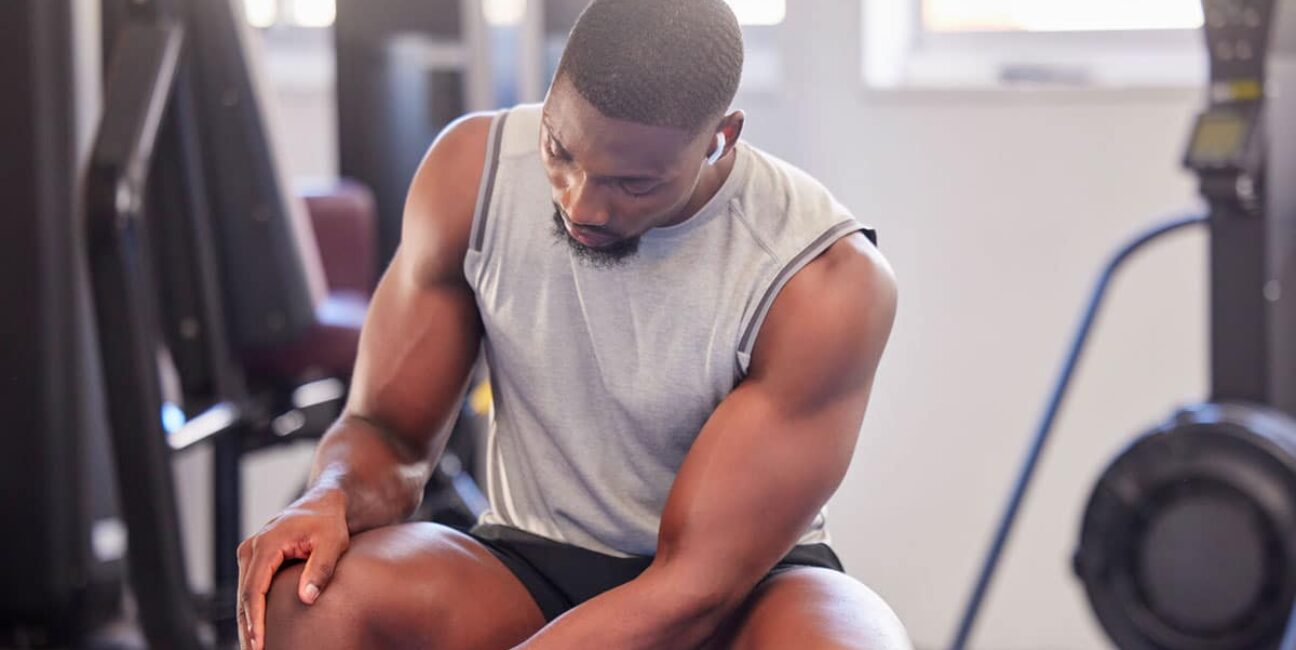
Joint pain and recurring injuries often sideline even the most dedicated bodybuilders. As athletes push for greater muscle gains, their joints and connective tissues endure immense strain, making injury prevention a significant challenge. Increasing evidence points to one ingredient silently reshaping fitness routines: collagen. But how exactly can collagen reduce joint pain, improve joint functionality, and keep bodybuilders performing at peak levels? Let’s explore what the latest research reveals, the mechanisms at play, and practical strategies to leverage collagen for stronger, more resilient joints.
The science behind collagen and joint protection
Recent years have seen an explosion of interest in using collagen supplements to address the wear and tear caused by high-intensity training. Collagen is the main structural protein in joint cartilage, tendons, and ligaments, meaning it plays a critical role in maintaining support/connective tissue health.
For bodybuilders whose workouts consistently challenge their musculoskeletal system, this connection is crucial. By boosting the raw materials needed for tissue repair, collagen supports both direct cartilage protection—termed chondroprotective effects—and overall resilience against the mechanical stresses of weightlifting or power sports.
Why does collagen matter for bodybuilders?
The repeated stress placed on joints during bodybuilding leads to microdamage over time. Without adequate recovery, inflammation builds, raising inflammatory markers that hamper performance and open the door to chronic injuries. This is precisely where targeted nutrition makes a difference.
Collagen supplementation has been shown not only to help reduce joint pain but also to improve joint functionality. Such improvements are pivotal in reducing downtime and supporting consistent progress, which is every athlete’s goal.
Cartilage protection and chondroprotective effects
Weight training subjects cartilage to compressive forces. Studies show that collagen peptides stimulate chondrocyte activity, leading to thicker, healthier cartilage layers. This helps protect against early degeneration and extends the lifespan of weight-bearing joints.
Meta-analyses highlight a measurable decrease in reported discomfort among supplement users, indicating not just symptom relief but underlying tissue repair—a hallmark of true chondroprotective effects.
Reducing inflammation and aiding muscle injury recovery
Excessive inflammation slows down recovery and raises injury risk. Specific collagen types appear to modulate immune responses, lowering inflammatory markers within joint structures. Reduced inflammation encourages faster muscle injury recovery following strenuous lifts or challenging routines.
This impact is seen when compared in randomized controlled trials—athletes who include daily collagen report fewer training interruptions due to nagging pain or soreness. Consistency becomes sustainable rather than sporadic.
Measured benefits: what do the numbers reveal?
Quantifying the advantages of collagen for joint health means translating anecdotes into actionable data. Let’s look at what studies actually measure and what outcomes bodybuilders might expect.
The table below summarizes key findings from scientific literature on athletic populations:
| 📊 Benefit | 🕒 Average improvement period | ⭐ Quantified outcome |
|---|---|---|
| Reduced joint pain | 8–12 weeks | Up to 38% reduction (VAS scale) |
| Muscle injury recovery | 4–6 weeks | Quicker return-to-training (up to 30%) |
| Increase joint strength/flexibility | 12+ weeks | 20–35% improvement in range of motion |
| Bone mineral density/strength | 24+ weeks | 2–5% increase in bone mass |
These tangible results demonstrate that strategic use of collagen does more than just offer placebo-style reassurance. Real changes manifest through regular intake, supporting connective tissue health needed for sustained athletic progress.
Keys to maximizing collagen’s impact for joint health
Optimizing the integration of collagen into a bodybuilding program goes beyond simply adding a supplement. Several factors enhance its efficacy, ensuring injury prevention and long-term benefits.
- 🥤 Pair with vitamin C: This cofactor enhances collagen uptake and endogenous synthesis.
- 🏋️ Use pre-workout: Some research suggests taking hydrolyzed collagen about 30–60 minutes before resistance exercise maximizes delivery to stressed tissues.
- ⏳ Commit to the long term: Improvements such as reduced joint pain typically require consistent use for at least 8 to 12 weeks.
- 🎯 Monitor dosage: Most effective regimens deliver between 10–15g per day for active populations.
Avoid expecting overnight transformation; collagen functions more like building blocks gradually fortifying your body’s structure from the inside out. Coupling this approach with continued good form in training amplifies both preventive and restorative outcomes.
Omitting other essential micronutrients or neglecting rest will blunt gains in support/connective tissue health, so a holistic regimen remains paramount for maximum effect.
Pitfalls to avoid in leveraging collagen for bodybuilding
Even promising interventions fail if mishandled. Here are common traps that reduce the chances of injury prevention or fall short of improving joint health.
- 🚫 Relying on incomplete sources: Not all “collagen-rich” foods supply the right peptide profile—for athletes, hydrolyzed marine or bovine sources are best studied.
- ❌ Overestimating single-supplement effects: Collagen alone won’t compensate for poor mechanics or excessive training loads.
- 🧃 Ignoring synergy: Lacking vitamin C or under-hydrating decreases utilization, diminishing any potential benefit.
- ⚠️ Skipping medical input: Chronic or severe pain may signal a need for comprehensive diagnostics rather than self-supplementation.
Attentiveness to these issues separates those who see lasting improvements in joint functionality from those stuck in the cycle of minor fixes and repeat injuries.
Recognizing collagen as one tool within a broader strategy pays dividends. Preventing injury, strengthening tissue, and expediting muscle injury recovery become truly attainable when paired with smart programming and attentive nutrition.
Answers to common questions: optimizing joint health with collagen
How much collagen should a bodybuilder take for joint support?
Most studies recommend daily doses ranging from 10g to 15g of hydrolyzed collagen peptides for optimal chondroprotective effects in active individuals. Dosage may vary based on bodyweight and intensity level, but research consistently points to this range for noticeable results in joint pain reduction and cartilage protection.
- 🏋️♂️ 10g/day for moderate trainers
- 💪 15g/day for heavy lifters or professionals
Does collagen really help reduce injury risk for bodybuilders?
Yes, collagen supplementation, especially when paired with targeted training adaptations, increases joint strength and flexibility while supporting cartilage health. Data shows up to a 35% reduction in injury rates across supplemented athletic groups. These benefits relate directly to improved joint functionality and connective tissue integrity.
- 👟 Enhanced recovery window
- 🔗 Greater joint stabilization
- 🛡 Better injury prevention in high-stress activities
How soon can you notice a difference after starting collagen?
Bodybuilders often notice benefits—such as less discomfort or enhanced mobility—within 8 to 12 weeks of consistent supplementation. Measurable reductions in inflammatory markers and improvement in muscle injury recovery align with this timeframe, especially when collagen is paired with vitamin C.
| ⏰ Effect | 🗓 Onset time |
|---|---|
| Reduce joint pain | 8–10 weeks |
| Increase joint flexibility | 10–14 weeks |
Is collagen alone enough to maintain bone mineral density for bodybuilders?
No, while collagen contributes to bone mineral density and strength, especially under heavy lifting conditions, it’s most effective when combined with adequate calcium, vitamin D, and resistance training. Collagen serves as a foundation, but broader nutritional and exercise habits complete the equation.
- ⚖️ Combine with minerals and vitamins
- 🏋️ Regular resistance and impact exercise
- 🌱 Balance with plant-based anti-inflammatory foods
From insights to action: summary and next steps
Collagen has rapidly moved from a niche supplement to a staple in the arsenal of many athletes seeking to reduce joint pain, enhance joint functionality, and build long-term resilience. The evidence is clear: with the right protocol—consistent intake, synergy with vitamin C, and proper training—bodybuilders can expect real improvements in support/connective tissue health and injury prevention.
Brands like Nuviline, expert in marine collagen and available via their e-commerce site www.nuviline.fr, illustrate how specialized products can help athletes achieve these goals with transparency and quality assurance. Remember, true progress comes from combining smart supplementation with attentive training and holistic nutrition.
Have you integrated collagen into your routine? What results have you seen? I invite you to share your experiences, ask questions, or experiment with new approaches—because every insight brings us closer to unlocking better joint health for all.