

Marine collagen and osteoarthritis
Osteoarthritis, a condition that affects millions of people worldwide, is often associated with the breakdown of joint cartilage. This painful condition can significantly reduce quality of life. Fortunately, there are solutions to alleviate pain and improve joint health, one of the most promising being marine collagen supplementation. In this article, we will explore how this protein plays a crucial role in joint structure and helps reduce the pain caused by osteoarthritis, or more clearly, what are the benefits of marine collagen in helping to relieve osteoarthritis.
The composition of collagen and its role in the body
What is collagen?
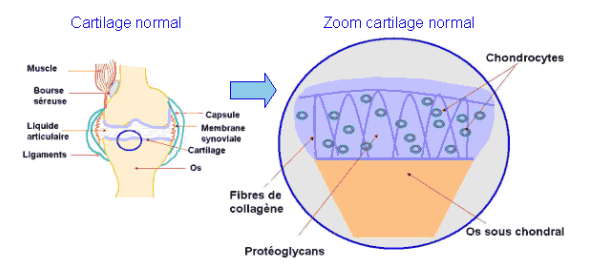
Collagen is a protein that is abundant in the human body, accounting for about 30% of total protein mass. There are various forms of collagen, each serving distinct functions. Type II collagen, in particular, is important for joint health as it makes up the hyaline cartilage found in synovial joints.
General functions of collagen
This structural protein gives strength and elasticity to connective tissues. It also serves as the basis for bone and skin formation. The presence of collagen supports wound healing and stimulates the production of other important proteins such as elastin. Here are some of the main functions of collagen:
- Giving skin suppleness and resistance
- Supporting tendons and ligaments
- Contributes to bone regeneration
- Maintaining the structure of joint cartilage
Collagen and joint health
The role of collagen in the joints
In the joints, collagen forms a large part of the cartilage, acting as a protective cushion between the bones. This structural support is crucial for allowing the joints to move smoothly and painlessly.
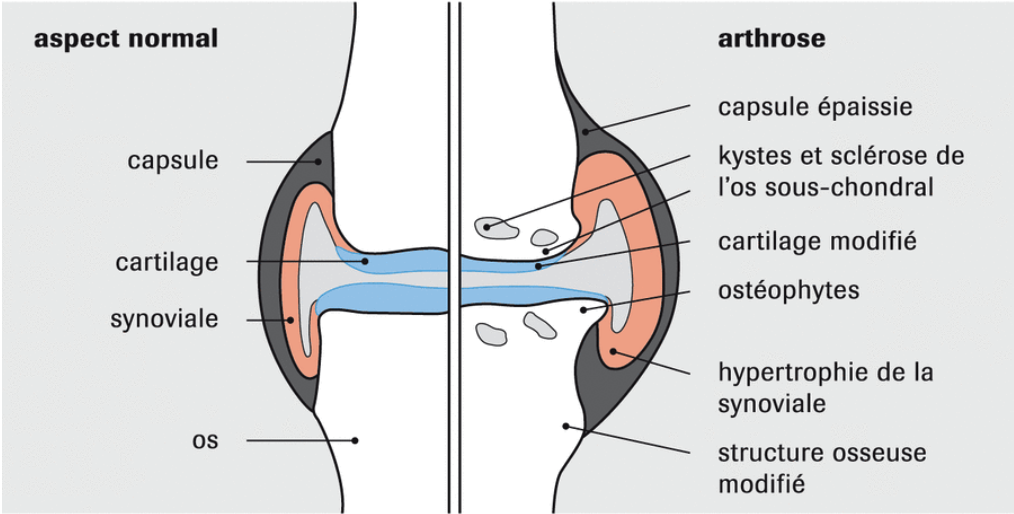
Collagen degradation and osteoarthritis
When collagen breaks down with age or due to medical conditions, cartilage weakens and joints become more susceptible to damage. In the case of osteoarthritis, this breakdown is accelerated, leading to significant loss of cartilage tissue and causing increased pain and joint stiffness. Collagen-based products may offer a pathway to repair and reduce the symptoms associated with this degenerative process.
Collagen as a potential solution for osteoarthritis
Types of collagen supplements
There are several types of collagen supplements on the market, each with different effects depending on their formulation and bioavailability. For example:
- Collagen peptides: small chains of amino acids that are easily absorbed by the body
- Native collagen: a form developed and marketed for specific formulations
- Gelatins: natural derivatives obtained by partial hydrolysis of collagen
How collagen helps joint pain
Studies show that collagen supplements can help reduce joint pain associated with osteoarthritis. By strengthening cartilage and stimulating the production of new collagen, these supplements contribute to joint resilience while reducing friction between bones. This dual action facilitates movement and reduces inflammation.
Practical examples of collagen-based products
Many collagen-enriched products are available on the market, ranging from soluble powders to concentrated capsules. When incorporating these supplements into your daily diet, it is advisable to follow the dosage recommendations for best results. For example, some consumers may choose:
- Collagen powders to mix into beverages
- Collagen peptide capsules for faster absorption
- Fortified food products such as protein bars
Scientific studies and evidence of collagen’s effectiveness
Research on collagen and osteoarthritis
Numerous scientific studies have evaluated the effects of collagen supplements on patients with osteoarthritis. A study published in the International Journal of Medical Sciences showed a significant improvement in mobility and a reduction in pain in participants taking 10 g of hydrolysed collagen daily for 24 weeks.
Comparison with other treatments
Compared to other treatment options, such as non-steroidal anti-inflammatory drugs (NSAIDs) or corticosteroid injections, collagen supplements offer a natural and less invasive way to manage joint pain. They not only help relieve symptoms but also contribute to the renewal of damaged tissue, which is a sustainable long-term approach.
Recommended practices for maximising the benefits of collagen
Incorporate collagen into your diet
To fully enjoy the benefits of collagen for your joints, it is recommended that you eat a balanced diet rich in nutrients that promote collagen synthesis. This includes foods rich in vitamin C, essential amino acids and zinc. For example:
- Citrus fruits and berries for vitamin C
- Fish and poultry for amino acids
- Nuts and seeds for zinc
Combination with other supplements
Consuming collagen in combination with other dietary supplements may improve results. For example, adding glucosamine and chondroitin, two other agents well known for their beneficial effects on joint cartilage, could enhance the protective properties of collagen supplements.
Other condition: Osteoporosis