

Hyaluronic acid: what are the benefits?
Hailed as one of the best anti-ageing molecules for many years, hyaluronic acid is found in numerous products. Cosmetics, dietary supplements, injections: it is everywhere, much to the delight of those who use it, because it is very effective. Discover its properties and benefits.
Hyaluronic acid: what is it?
The hyaluronic acid molecule was discovered in 1934 by two researchers: Karl Meyer and John Palmer. They were studying the vitreous humour of a cow’s eye and quickly realised the exceptional moisturising properties of this active compound.
Sometimes called hyaluronan, this molecule combines a particular form of uronic acid with an aminoglycan. This combination creates a kind of super water sponge that gives the skin a plump appearance and ensures a fresh complexion.
Naturally present in the body, hyaluronic acid, like collagen, tends to disappear over the years. It is now estimated that by the age of 50, it has decreased by half and is no longer renewed. This partly explains why skin tissue dries out, slackens and wrinkles appear as we age.
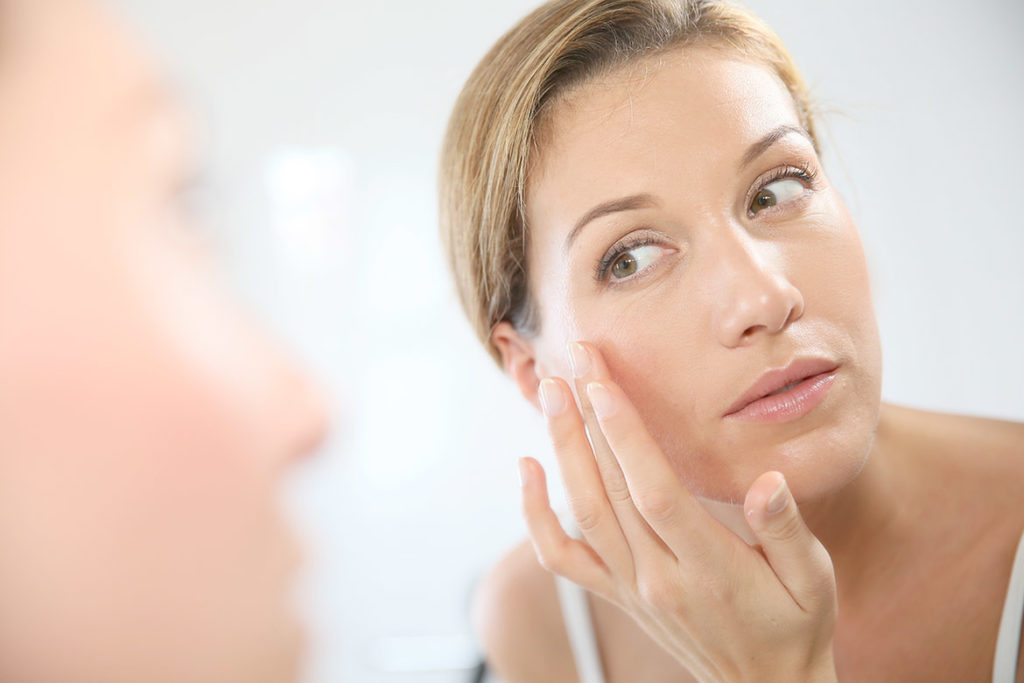
The breakdown of this active compound could be amplified and accelerated by oxidative stress on the body, which is linked to the production of free radicals. These free radicals appear in the body for several reasons. Lack of exercise, poor diet and excessive exposure to sunlight are the most common causes.
Is this inevitable? No. There are now many synthetic formulas available that can limit the effects of ageing and compensate for them. Cosmetic doctors are well aware of this and offer their clients treatments based on injections or creams containing hyaluronic acid, which significantly improve the appearance of the skin on their face.
How is this miracle molecule obtained? It was first extracted from rooster combs, which were crushed and then chemically purified. This is no longer the case. Most often, the hyaluronic acid found in dietary supplements, cosmetics or products intended for injection comes from the fermentation of bacteria called “bacillus subtilis“.
A star molecule with numerous benefits
In cosmetic surgery, hyaluronic acid is commonly used to treat the first signs of ageing in facial skin tissue. It is effective when injected to fill in wrinkles and fine lines that gradually appear around the eyes and lips.
It captures water and retains it in the deep tissues, providing intense hydration. This is why the skin takes on a more youthful appearance. It is plumper, denser and the features are less drawn. This product combines easily with others and enhances their benefits. It can be interesting to combine it with certain essential or vegetable oils for a tenfold effect.
Since the 1980s, medicine has proven that this acid has interesting healing properties. Used externally, in the form of a cream or gel, but also internally, through injections or dietary supplements, it reduces healing time in the case of wounds.
Ophthalmic medicine has been using it for many years to reduce the sensation of dry eyes and to promote tissue healing after cataract surgery or corneal transplants.
More generally, hyaluronic acid, which is found throughout the human body, particularly in connective tissue, is also used to relieve chronic pain associated with osteoarthritis or rheumatism.
Different hyaluronic acid treatments
Hyaluronan is present in many skincare products. Some can be used directly at home. These are most often creams or serums that contain high-quality, high-molecular-weight hyaluronic acid. They are formulated to retain water on the surface of the skin and are very effective at smoothing wrinkles and plumping the lips.
It is also found in masks and anti-ageing complexes. In masks, it is used in higher doses, making the treatment more intense. When added to a complex, it enhances the benefits of the antioxidants and restructuring active ingredients it accompanies.
Cosmetic surgery specialists mainly use it in injectable form. In particular, there are mesotherapy treatments based on micro-injections of this active ingredient, which can significantly limit the effects of excessive sun exposure during the summer months.
It is now also available in the form of a dietary supplement that promotes radiant, youthful skin through internal action.
Hyaluronic acid-based dietary supplements: a good idea?
What can you do if you want to take care of your skin without going to the doctor? It may be a good idea to take hyaluronate in the form of dietary supplements.
This active ingredient is much more effective when taken orally than when applied topically or cutaneously, although the two complement each other perfectly. When taken internally, it significantly and sustainably increases the body’s natural reserves. It does much more than just moisturise the skin.
While hyaluronic acid is best known for its intense moisturising action, which helps reduce wrinkles, it is important to understand that when taken orally, its benefits go much further. As an internal treatment, it repairs and restructures the skin. It literally brightens and rejuvenates the skin from within.
The skin obviously benefits from the beneficial effects of hyaluronic acid supplements, but it is not the only one. The joints and all the connective tissues surrounding them, such as cartilage, are also strengthened.
The benefits of hyaluronic acid, especially when taken orally, are numerous and interesting in more ways than one. This active ingredient promotes radiance, elasticity and youthfulness in the skin, but it also helps the whole body to better combat oxidative stress and ageing. Taking it as a dietary supplement is like undergoing a rejuvenation treatment!