PREMIUM, PURE AND NATURAL UNIVERSAL PEPTIDES, LOW MOLECULAR WEIGHT
An even stronger commitment to ocean protection and respect for marine biodiversity
French origin, with a neutral taste and no aftertaste
An untapped resource until now, fish skin, with a carbon footprint 7 times lower than bovine collagen.
Produced as part of a sustainable development approach - Friend Of the Sea (FOS) label - Discover the FOS program: here
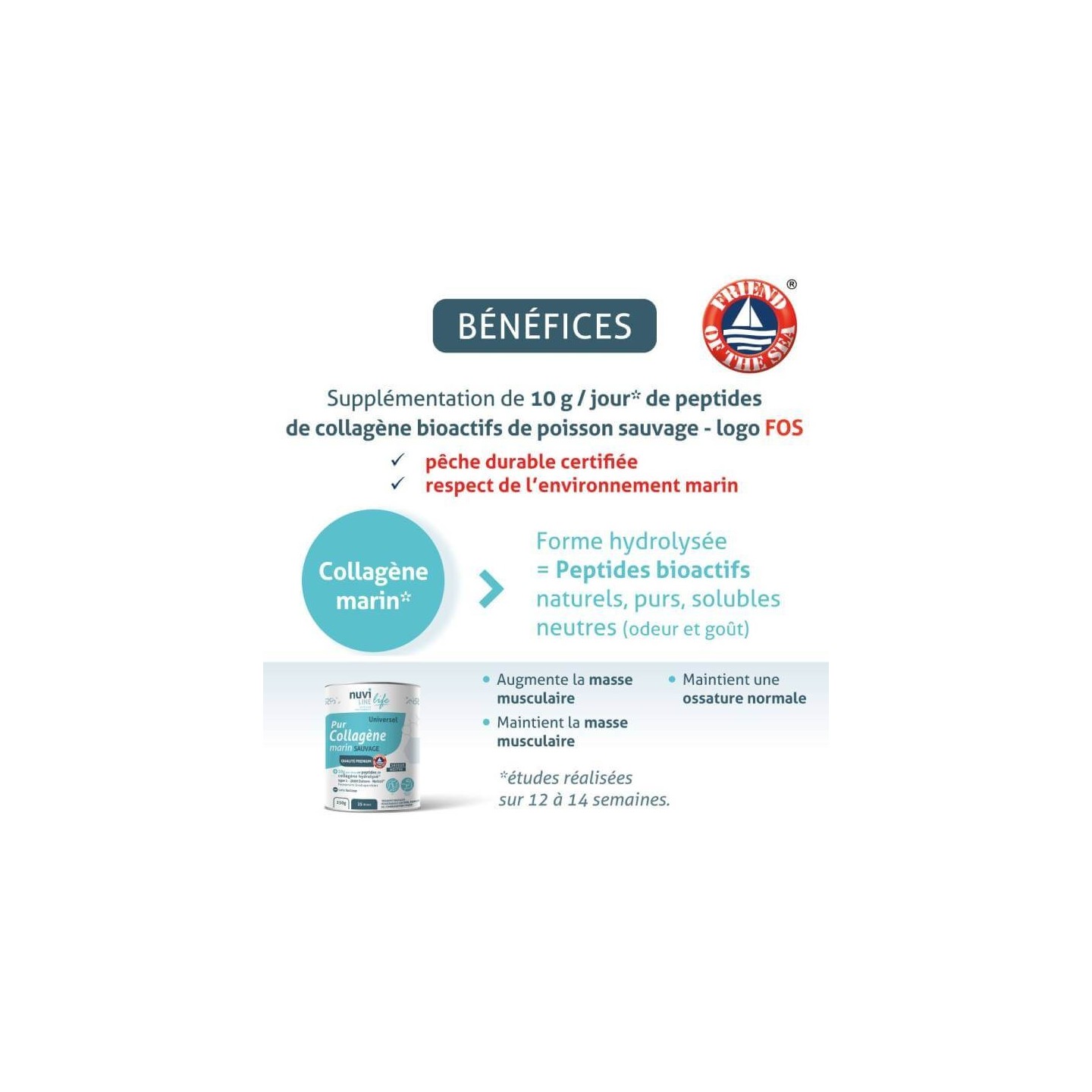
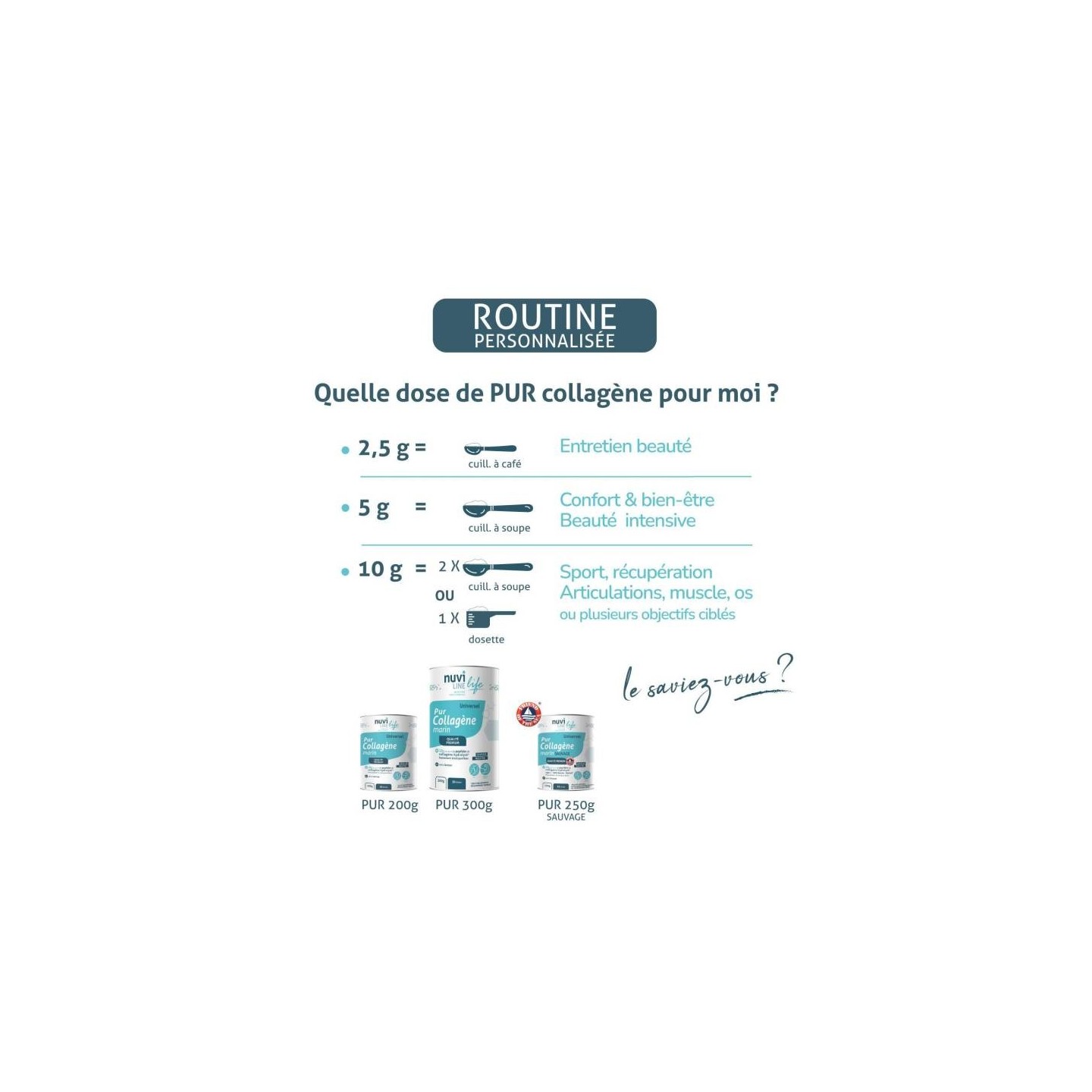
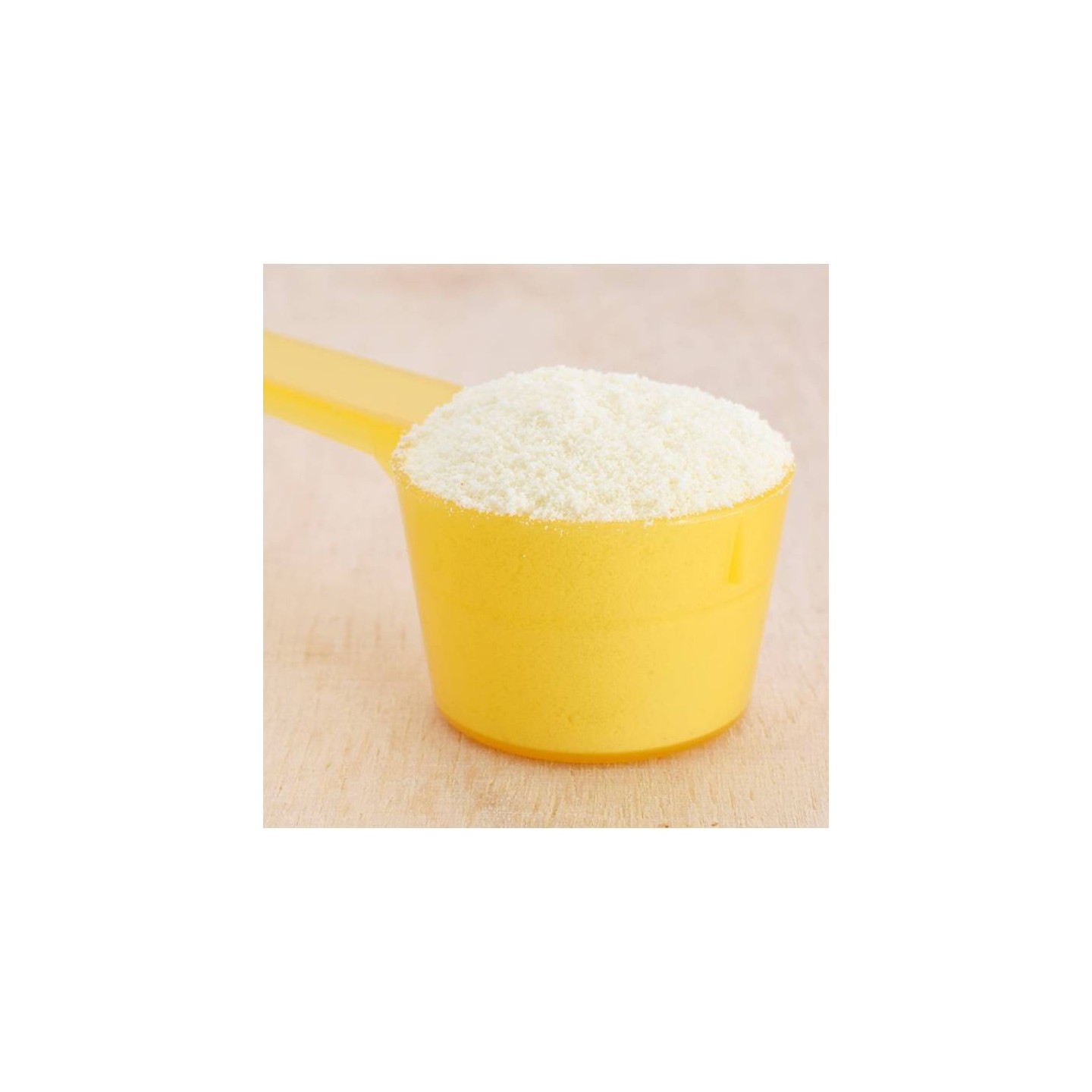
- Serving: 10 g = 1 level scoop per day > 1 jar = 25 days
- 2 to 3-month course (2 to 3 jars) - repeat if needed
- Dissolves in water using a shaker if needed, or in cottage cheese or yogurt
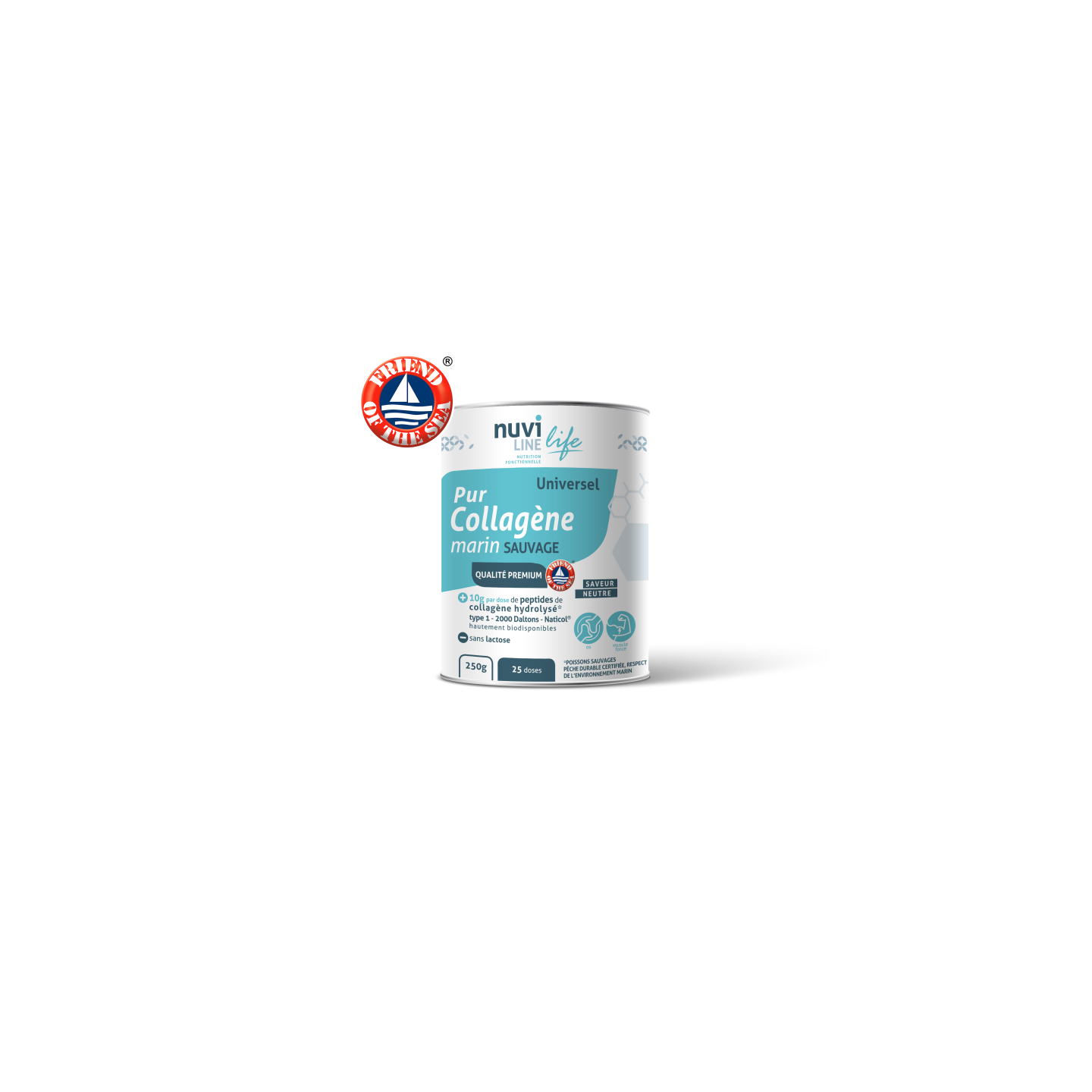
- Neutral flavour, no aftertaste, 250 g jar - 25 servings - 100% recyclable packaging
A formula without unnecessary extras, just the essentials.
Collagen was naturally consumed by our ancestors, who ate more animal parts containing the highest levels of collagen, such as skin, cartilage and bones. Collagen is compatible with a paleo-friendly diet.
Used for generations in Japan, where it is recognized as particularly biocompatible and bioactive, while also offering good bioavailability.
- It consists of proteins in the form of a unique profile of bioactive natural marine collagen peptides obtained through enzymatic hydrolysis, produced as part of a sustainable development approach - Friend Of the Sea (FOS) label - certified sustainable fishing, North-East Atlantic area, species concerned: cod, haddock, redfish and Alaska pollock.
- High degree of purity in collagen protein > 99.8%
- Highly bioavailable and bioactive for optimal effectiveness
- Water-soluble, neutral in taste and odour
- Low molecular weight: 2000 daltons. This low molecular weight is optimized for maximum absorption and better biological effectiveness of the bioactive peptides. By comparison, collagen before hydrolysis has a molecular weight of 300000 daltons.
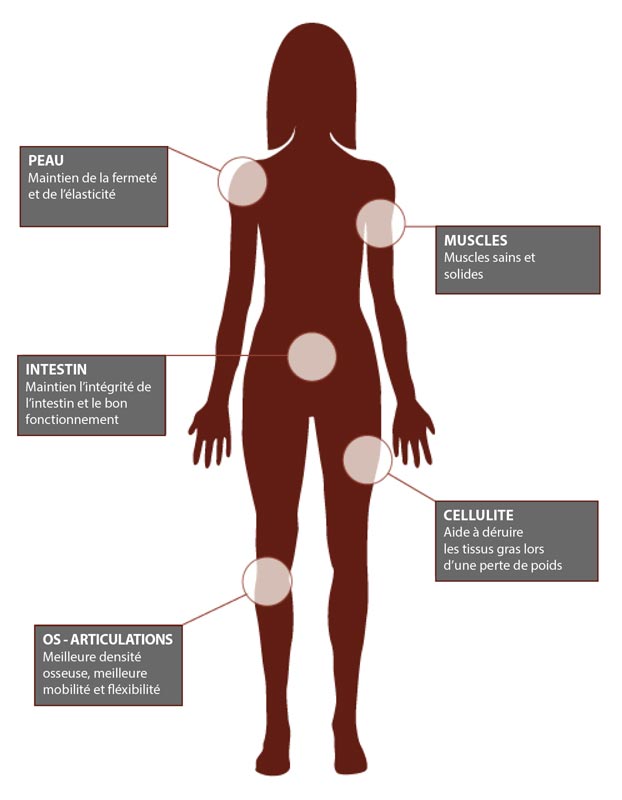
- The peptide form is derived from natural universal type 1 collagen, broken down into smaller fragments through enzymatic hydrolysis and therefore easier to digest. These unique, ready-to-use building blocks help the body rebuild all collagen types (1, 2, 3, etc.) more efficiently and more quickly, depending on the needs of each tissue such as joints, bones, muscles and skin. This explains their universal nature and high effectiveness.
- Particularly rich in amino acids - glycine, proline and hydroxyproline - which make up most of the collagen found in connective tissues such as bones, muscles, skin and gums
- Also rich in glutamine, a major component of proteins
- Non-GMO - Fat-free - No carbohydrates or sugar - No preservatives
- No ionization treatment - No radioactivity
- Strict manufacturing standards - Quality compliant with ISO 9001 - ISO 22000
- Halal certified
- 100% fish origin: no BSE risk associated with bovine collagen, no avian flu risk associated with chicken collagen, and a better carbon footprint for extraction, especially compared with bovine origin
- Its neutral taste allows you to use it as a premium ingredient in your homemade recipes and snacks, or simply mix it into existing preparations such as drinks, smoothies, yogurt, dessert creams or compotes
- CAN BE COOKED
- Protein intake may be insufficient and/or requirements may increase in the following cases: ageing from age 35-40, sports practice, etc.
Good to know:
- Collagen is a protein naturally present in the body, particularly in muscles and bones, where it plays a major structural and elasticity-supporting role. It represents around 30% of the body's total proteins.
- From the age of 25, collagen production in humans decreases by 1.5% per year.
- By the age of 45, the body produces around one-third less collagen.
Studies and scientific evidence:
- Supplementation with 10 g/day of bioactive fish collagen peptides was carried out for 12 to 14 weeks.
- Significant results were observed from as early as 6 weeks on various functions.
What is hydrolyzed collagen?
Hydrolyzed collagen, also called collagen peptides, is a form of collagen that has been broken down into small amino acid chains through a process called enzymatic hydrolysis. This makes collagen easier for the body to absorb when consumed as a dietary supplement.

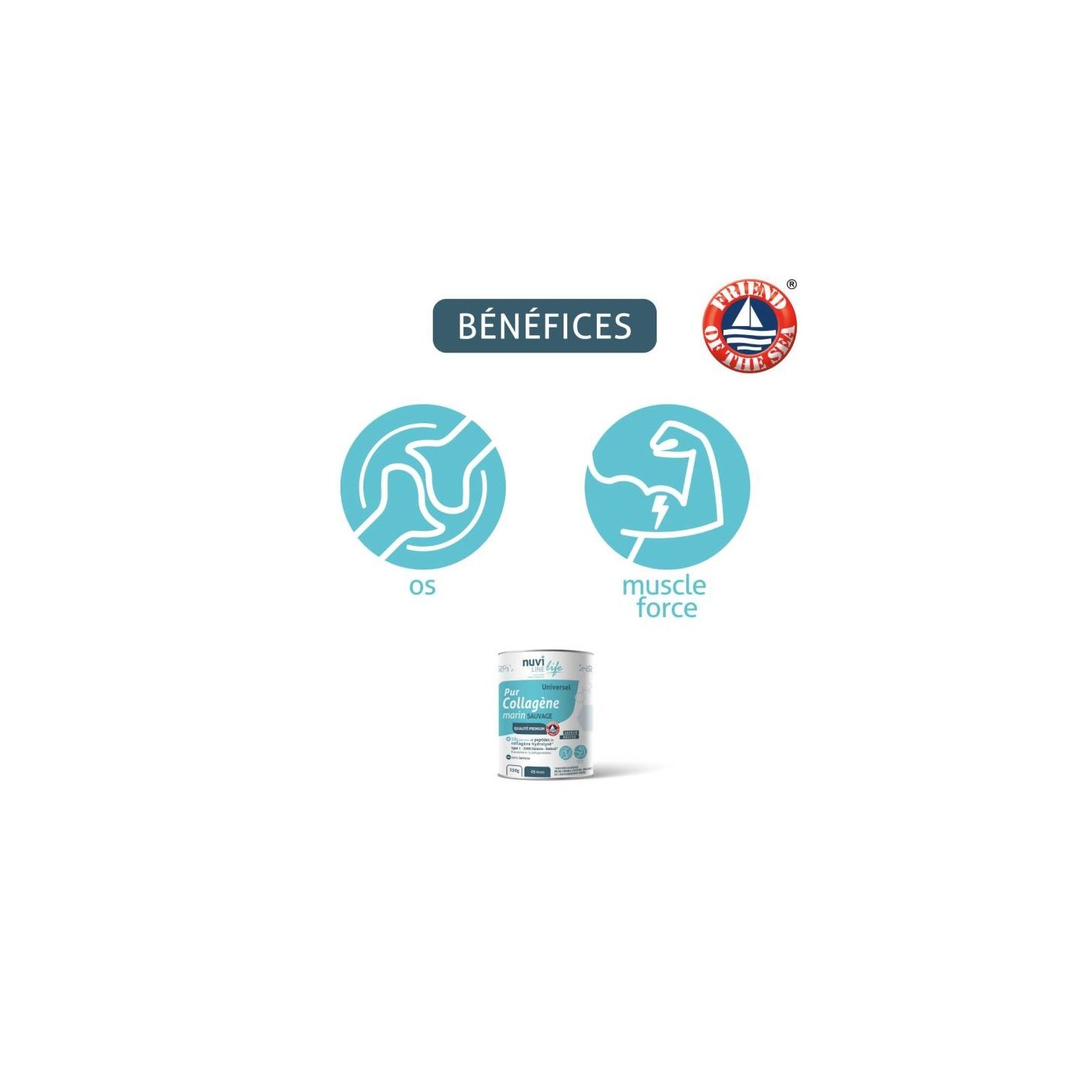
Main roles and functions of collagen in our body:
 Armandi R.

 Free delivery
For orders over €90
Free delivery
For orders over €90
 Secure payment
Visa, Mastercard, Paypal, ApplePay
Secure payment
Visa, Mastercard, Paypal, ApplePay
 Do you have a question?
We're here for you
Do you have a question?
We're here for you